EP.7 | The village in the mist
What happens when human perception is dulled without people fully realizing why?
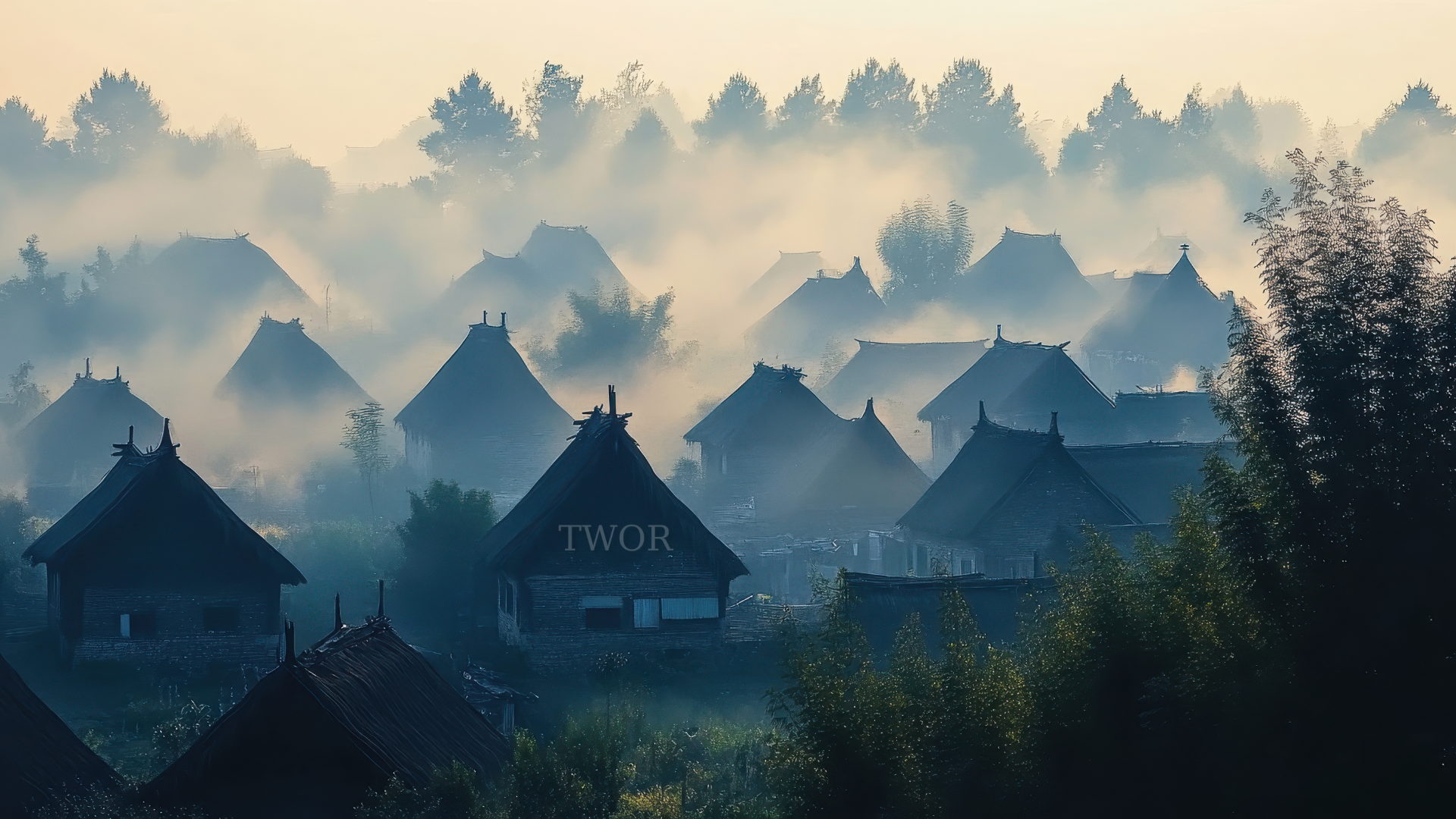
Imagine a village deep in a valley, surrounded by mist throughout the year.
At first, the villagers could see far beyond the hills around them. They could hear water flowing beneath the ground, sense changes in the weather, and dream of places they had never visited. The world felt larger than what stood directly in front of them.
Then one day, outsiders arrived. They brought a new kind of water, sweet and pleasant to drink. The villagers were told that it could ease anxiety and help them sleep more deeply. They began drinking it.
Fear softened. Their ability to perceive also began to change. Their vision grew shorter, distant sounds became harder to hear, and their dreams became faint and fragmented. Over the years, even the memory of what they had once been able to sense began to disappear.
Children born in the mist grew up believing that the valley was the whole world. Stories about seeing beyond the hills became old legends that few people took seriously anymore.
Only a few elders, in rare flashes during dreams, still caught glimpses of a light on the mountaintop. They whispered about a path that had once existed, and about a world larger than anything the village could still remember.
When the mist finally cleared, the village did not return to the reality its people had once known. The landscape was still familiar, but their experience of space and time had begun to feel different. Distance, movement, and the passage of time no longer seemed as fixed as before.
The water in this story is symbolic. It can represent any substance, system, or influence that dulls curiosity, narrows perception, and gradually teaches people to stop questioning what may exist beyond the world they already know.