EP.4 | Brainwave states
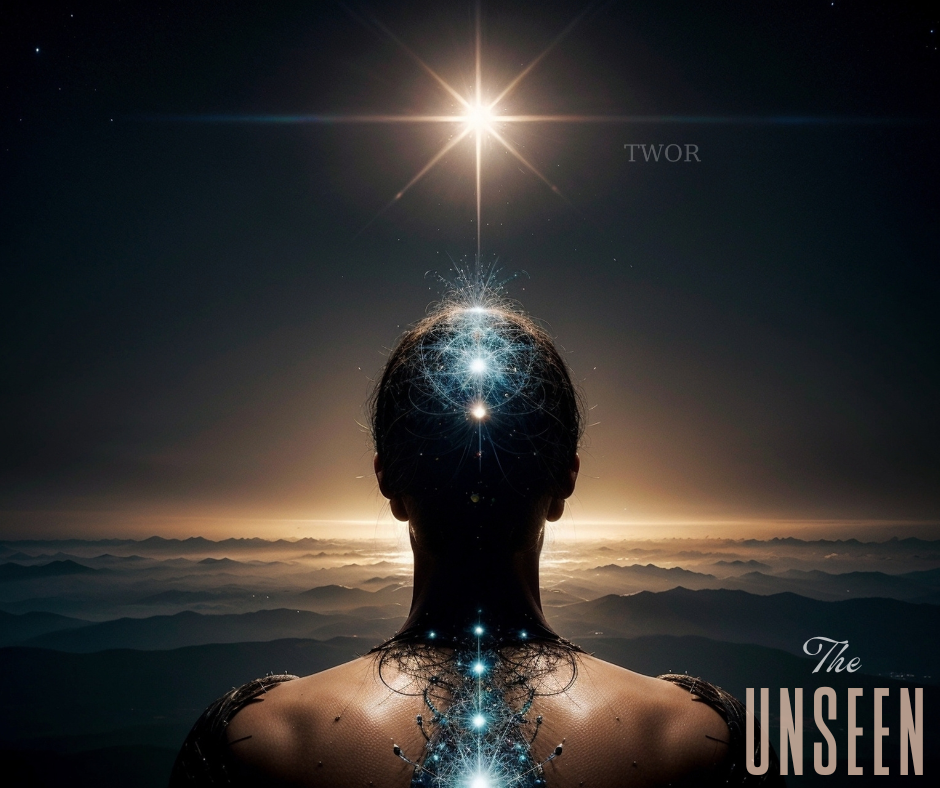
When we are awake, asleep, dreaming, or meditating, the brain’s electrical activity changes as well. An electroencephalogram (EEG) records this activity through electrodes placed on the scalp. These patterns are commonly grouped into frequency bands such as delta, theta, alpha, beta, and gamma.
- Delta – slow activity that becomes prominent during deep NREM sleep.
- Theta – increases during drowsiness and some stages of sleep, and also appears in many studies of meditation.
- Alpha – most noticeable when we are awake, relaxed, and have our eyes closed.
- Beta – commonly associated with wakefulness, concentration, and active information processing.
- Gamma – high-frequency activity involved in processes such as attention and information processing. Changes in gamma activity have also been reported in some meditation studies.
These bands do not work like five separate modes. Several can appear at the same time, while their relative strength changes with what the brain is doing. REM sleep, the stage often associated with vivid dreaming, shows a mixture of activity that in some ways resembles the waking brain.
Meditation does not have a single brain-wave pattern either. Studies have found changes in alpha, theta, gamma, and other bands depending on the practice and the experience of the meditator. The body may remain almost completely still while attention, the sense of self, inner imagery, or the perception of time changes noticeably.
“Sleep” and “wakefulness” also take on another meaning in the Fourth Way, associated with G. I. Gurdjieff and P. D. Ouspensky. Gurdjieff described people as capable of keeping their eyes open, working, talking, and going through everyday life while remaining in a state of “waking sleep.” Habits, reactions, and streams of thought can carry us through much of the day with little awareness of what is happening in the moment.
For Gurdjieff, “waking up” meant becoming more aware of oneself in ordinary life. The idea of awakening also appears in many esoteric systems and spiritual practices, where it often refers to changes in how a person experiences themselves, the world, or things they had previously overlooked.
In physiology, sleeping and waking describe states of the body and brain. In the Fourth Way and other esoteric contexts, “sleep” and “awakening” refer more to awareness and experience.
The same words can therefore mean very different things depending on the context. As awareness changes, our experience of the world may change with it. That experience also depends on what the body is able to sense, and the familiar five senses are some of the channels through which information reaches us. Do they really cover every way the body can receive information?
So how many senses do humans actually have?